POLICY FOR PERSONS WITH DISABILITIES
Adichunchanagiri Institute of Technology (AIT), believes in providing adequate facilities and opportunities to Differently Abled students. The Institution has constituted the Differently Abled Service Cell (DASC) with an aim to address the day-to-day needs of differently abled students and overseeing the implementation of all Government and Management Schemes. Composition of Differently Abled Service Cell (DASC) is as shown hereunder:
|
Sl. No.
|
Name of the Member & Designation / Department
|
Role
|
|
1
|
Dr. N D Dinesh
Professor & HOD, Dept of Chemistry
|
Chairperson
|
|
2
|
Dr. Vijay Kumar Y M
Professor, Dept of Civil & Warden AIT Boys Hostel
|
Member-convener
|
|
3
|
Mr, Sangareddy B K
SWO, Asst Professor, Dept of CSE
|
Member
|
|
4
|
Mrs. Divya G S
Student Counsellor
|
Member
|
|
5
|
Mrs. Sathyabhama
Asst, Professor, Dept of AIML
|
Member
|
|
6
|
Mr. Praveen Kumar S
Director of Physical Education, AIT
|
Member
|
|
7
|
Dr. Prasannakumar H E
Librarian, AIT
|
Member
|
|
8
|
Mr. Sagar N S
Office Superintendent, AIT
|
Member
|
|
9
|
Two Student Representatives
|
Member
|
|
10
|
Two Parent Representatives
|
Member
|
Roles and Responsibilities of DASC are summarized as below:
- To provide information, guidance and support to students with disabilities.
- To ensure overall accessibility for persons with disabilities in the entire college
- To create awareness among stakeholders in the area of equal opportunities on a regular basis.
- To create Inclusive Culture, to avoid discrimination, exploitation of Differently abled Students.
- To assess the educational and placement needs of persons with disabilities and propose necessary measures.
- Ensure differently abled students avail the exemptions, concessions and scholarships in tune with prescribed norms (Both Government, Non-Government and Management).
- To provide guidance to avail various fellowships / scholarships of different funding agencies
- Monitoring the successful implementation of related government policies and programs
- To propose any other programmes/activities as deemed fit for the benefit of Differently abled students.
- Update related information on college website.
Infrastructure Facilities for Access to person with physical disabilities:
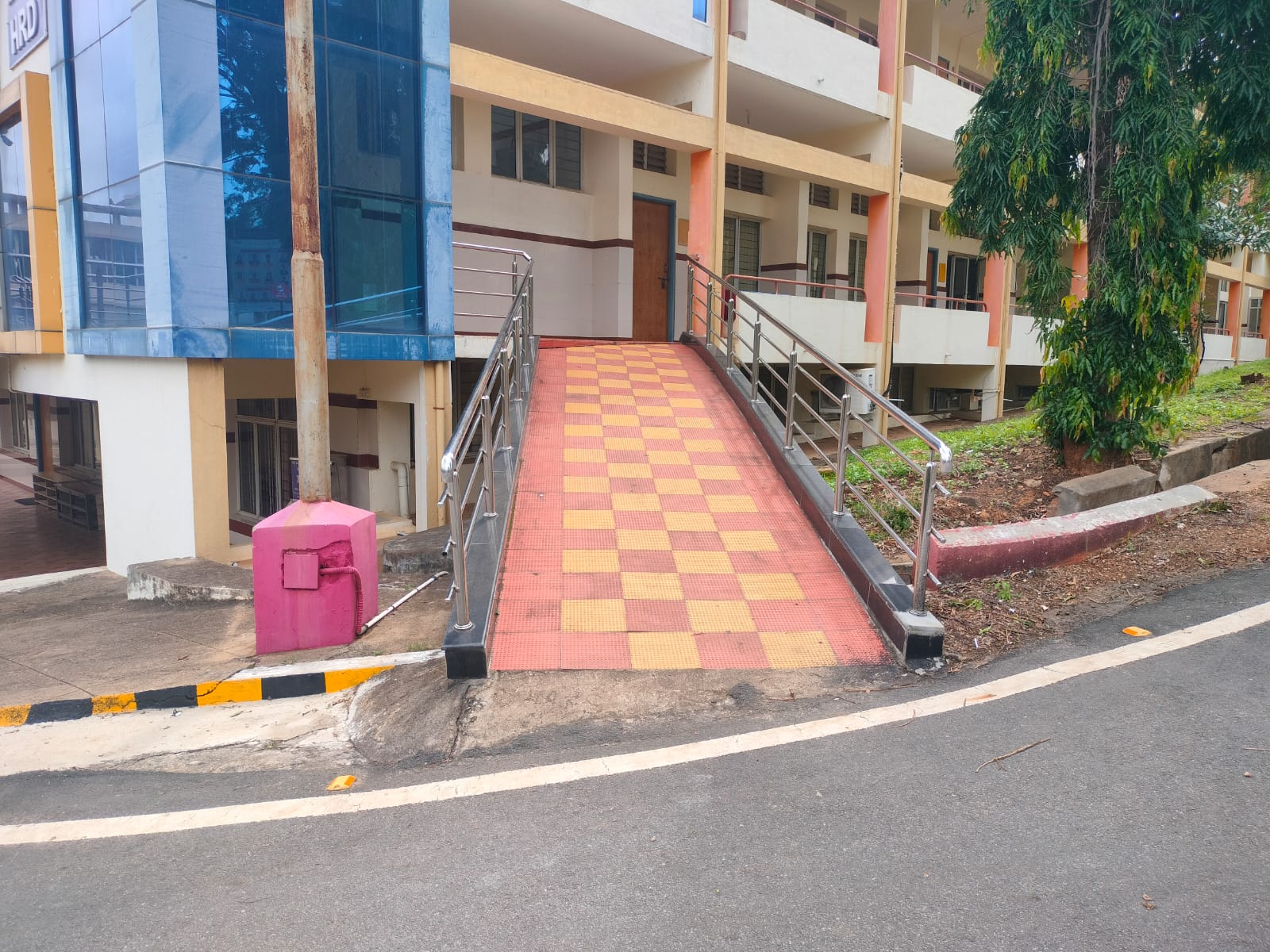
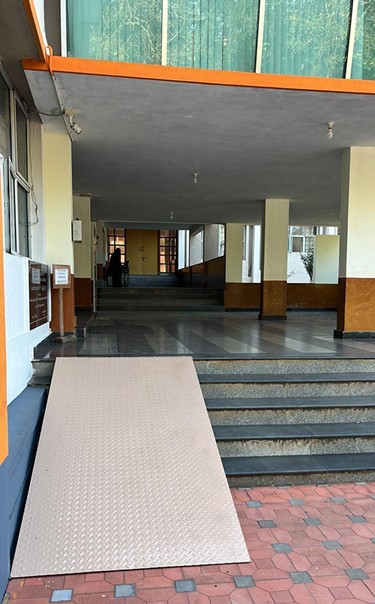
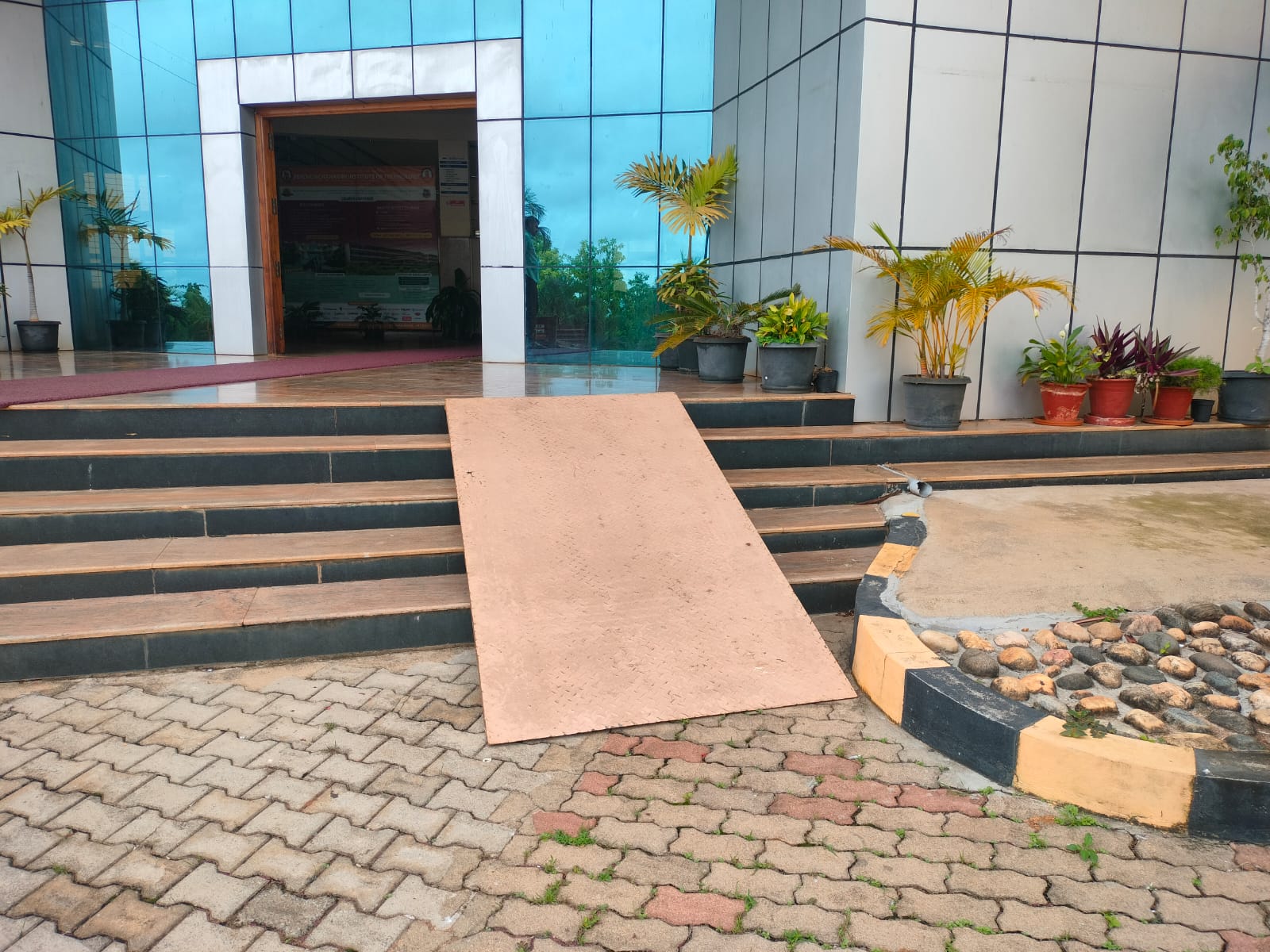
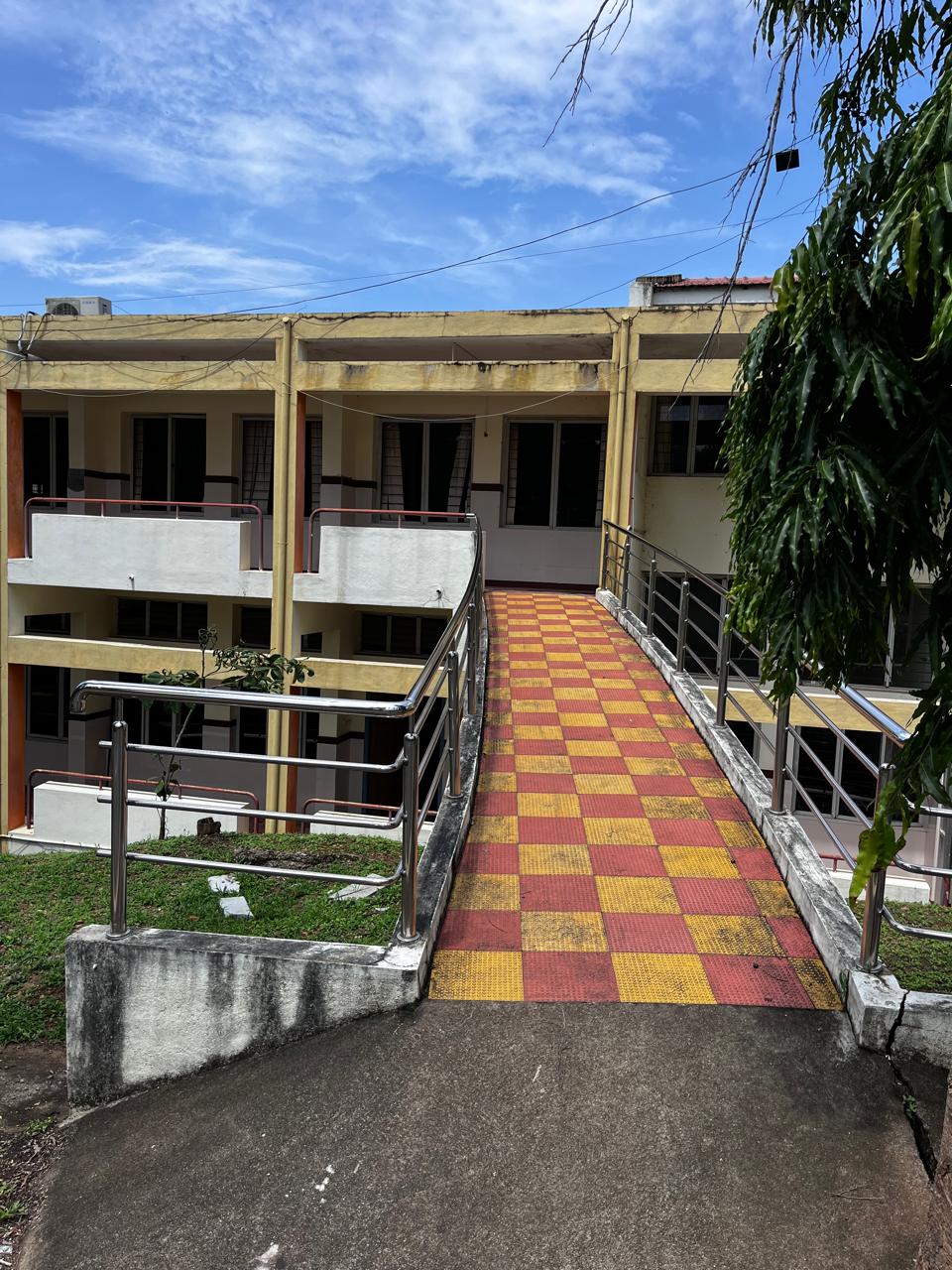
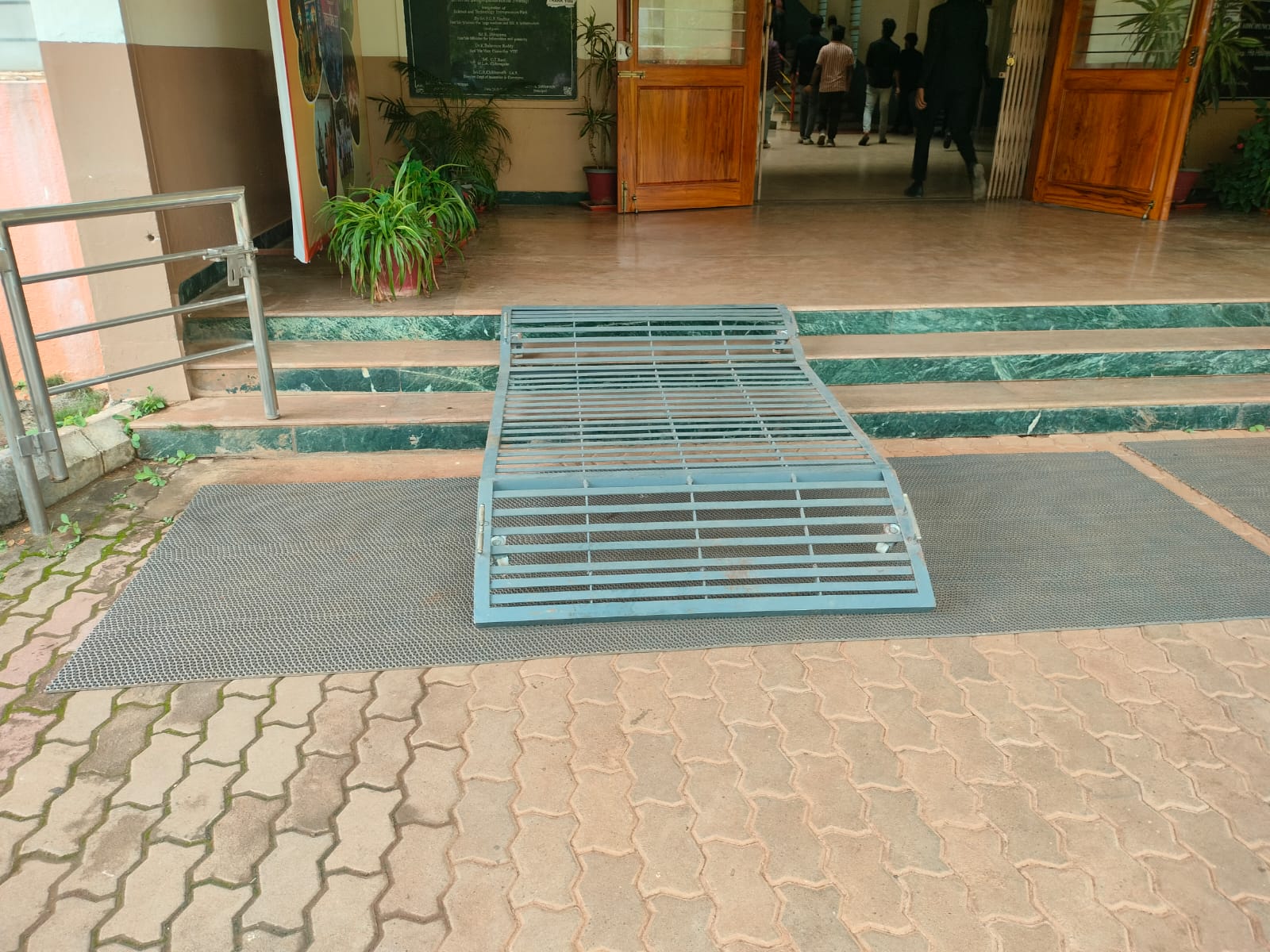
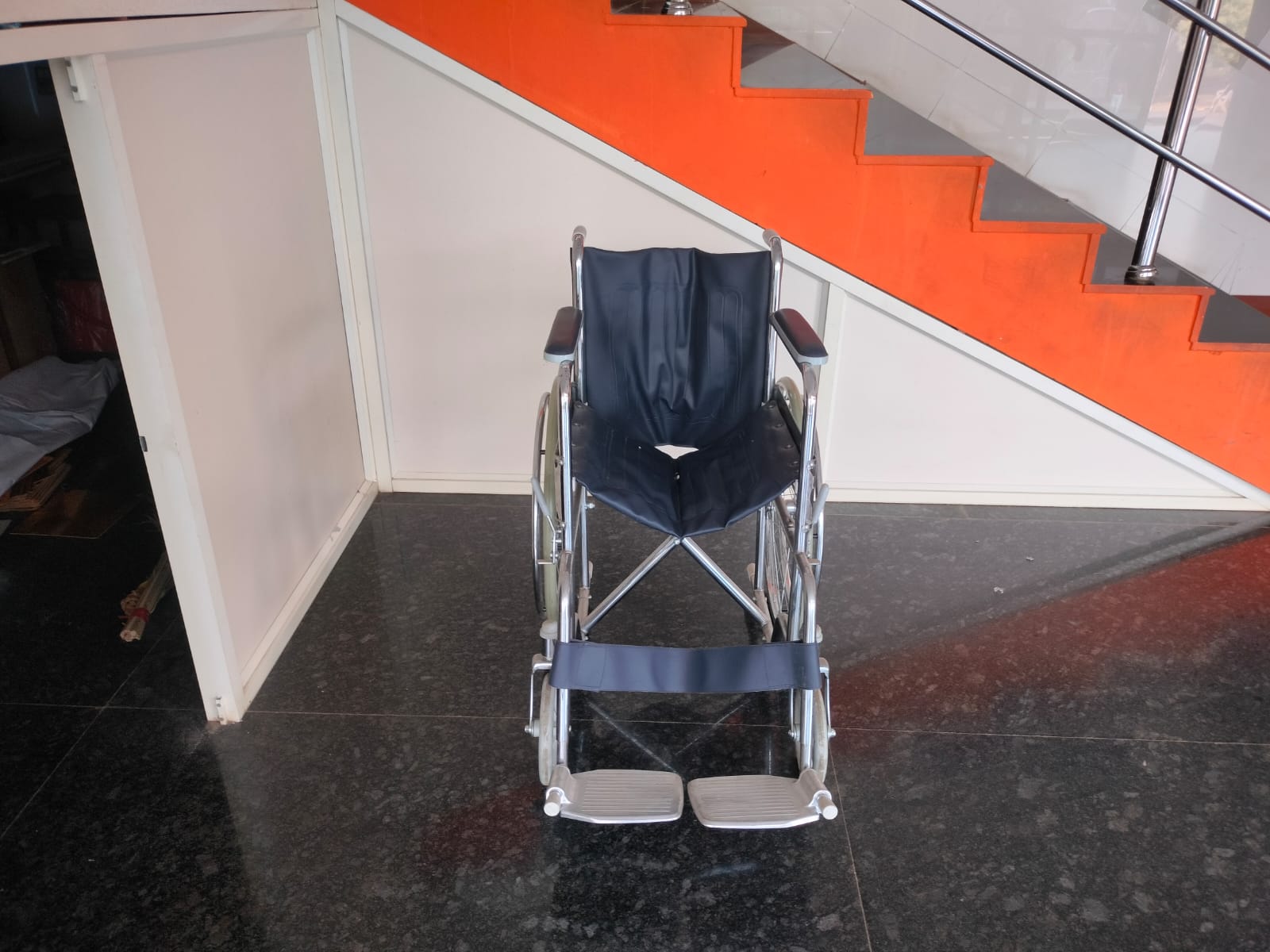
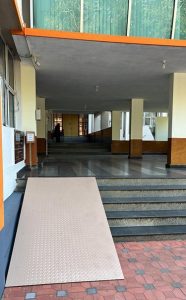
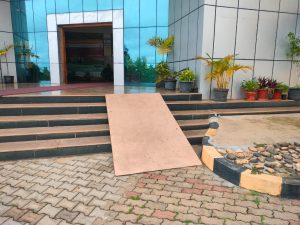
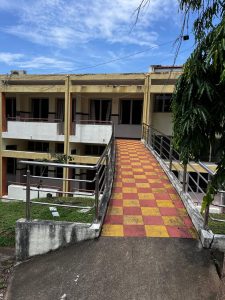
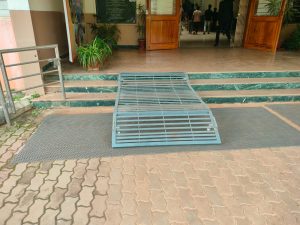
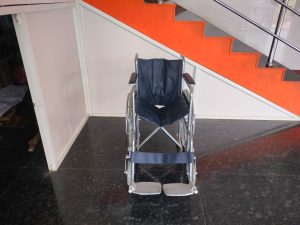
- Ramps/Rails (with provision to accommodate Wheelchair users to move to different floor), and assisting devices like walking-aids, Wheelchairs etc for easy access of differently abled students,
- Wheelchair users can move without others help. Provision of Ramps with minimum width of 1.5 meters along with handrails at entrances, exits and passages.
- Ramp slope is maintained at 1:12
- Divyangjan friendly washrooms-Accessible toilets with provision of handrails in urinals, wheelchair access to utilities like washbasin. health facets, etc.
- Signages, display boards and signposts
- Adequate space (1.2 Meters) for movement of wheelchair users to enter into classrooms, laboratories, toilets and other areas within the building.
- Handrails for persons who use Crutches with anti-skid (non-slip) floors
- Reserved designated space for parking of vehicles
Special Provisions for person with disabilities in the Examination:
- Provision for students to use scribes during examination.
- Extension of time up to 20 minutes per hour given to differently abled students and students using scribes.
Additional Support and Linkages
- Placement and support services: to provide support to the students with disabilities and assist them in getting appropriate employment.
- Employer sensitization.
- Internship and career advancement activities.